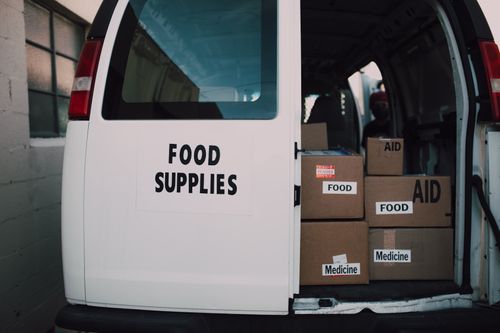
photo credit: RDNE Stock Project / Pexels
Key Takeaways
- Safe food transportation depends on maintaining proper handling, temperature control, and contamination prevention throughout every stage of the supply chain, from production to final delivery.
- Choosing the right transportation method, whether trucking, rail, maritime, or air freight, helps businesses balance speed, cost, efficiency, and product safety based on the type of food being shipped.
- Compliance with food safety regulations such as the FDA’s Food Safety Modernization Act (FSMA) and the Sanitary Food Transportation Act helps businesses reduce risk, maintain food quality, and protect public health.
- Following operational best practices, including vehicle inspections, equipment maintenance, proper loading procedures, staff training, and hygiene standards, significantly lowers the risk of spoilage and contamination.
- Modern technologies such as real-time temperature sensors and shipment tracking systems give logistics managers greater visibility into the transportation process and enable faster responses when problems arise.
Brandon Kearns is an Oregon-based transport manager who oversees the delivery of food across a four-state footprint, ensuring drivers operate safely, securely, and in compliance with regulations. He is responsible for scheduling, route efficiency, invoice management, and prompt resolution of customer service issues, regularly traveling to Oregon customer locations to address service deficiencies.
Before entering the food service industry as a Class A delivery driver in 2020, Brandon Kearns spent more than a decade in the US Army as a staff sergeant, where he led a battalion fire support platoon at Fort Bragg, North Carolina, and completed missions overseas, including in Iraq. His hands-on experience coordinating multi-state deliveries in Oregon connects directly to the broader logistics and food-safety practices outlined below.
A Guide to Safe Food Transportation and Logistics
Safe food delivery involves moving food items from growers to buyers while preventing any form of contamination, while keeping its freshness. This activity is an essential risk management practice that protects a food company’s image and financial health.
The food journey moves through three main stages: preparation at the production site, storage and consolidation at distribution facilities, and final delivery. At the source, workers inspect, package, stage, and, where necessary, pre-cool products before loading. Correct handling and temperature control at this point reduce the risk of problems later in the journey.
Next, warehouses are the busy centers where workers sort loads and store them in specific cooling zones. They also determine different routes for varying deliveries. One error during sorting could impact many different orders at the same time.
The final stage of transit is very critical. It is often the most dangerous because of issues like frequent door openings. This is especially true of food transported on land.
In the US, food logistics relies on trucks, trains, ships, and airplanes to move goods. Trucking is the most popular option, accounting for about 70.5 percent of all food transportation. However, while trucks are flexible since they can deliver to direct routes, trains handle larger bulk quantities.
Maritime transport uses huge vessels to carry massive amounts of perishable foods like meat, fruits, and vegetables across oceans. These ships have specialized refrigeration ideal for keeping food fresh for weeks at sea. Air freight is the fastest choice for valuable goods needing urgent delivery. Planes use built-in cooling systems to protect cargo quality.
Many companies combine various transport methods to reduce travel time and boost efficiency, making air freight a vital part of today’s global food market.
There are different types of specialized shipping modes, including full truckload (FTL), less than truckload (LTL), and partial truckload (PTL). FTL dedicates the truck fully to the goods, meaning fewer stops and consistent handling. LTL shares space with other shipments, which introduces some risks. PTL blends both approaches.
Different goods have varying demands. For example, single temperature spike can shorten a perishable product’s shelf life before it reaches stores. Dry goods need protection from moisture and crushing. Bulk liquid or powder transport requires spotless tanks to prevent residue. Together, these practices ensure the highest standard of food safety and purity.
Strict rules like the US Food and Drug Administration’s (FDA’s) Food Safety Modernization Act (FSMA) govern how food moves across the country. This law focuses on preventing hazards rather than reacting to them. It spells out requirements such as well-designed vehicles, specific worker training, and careful shipment record-keeping.
The Sanitary Food Transportation Act of 2005 also prohibits shipping under conditions that risk contamination. This law requires companies to use hazard analysis to spot biological or chemical risks. Additionally, keeping digital logs for at least a year proves compliance and protects public health daily.
There are various best practices. To begin, workers should use checklists to ensure vehicles are clean and free from odors. Drivers must isolate uncooked from cooked meals. Regular vehicle maintenance prevents breakdowns that could lead to delays and spoilage. Training staff on personal hygiene and proper loading techniques is also important.
Modern logistics also depends on high-tech sensors. These real-time tracking tools provide data so transport managers know exactly what happened during the trip. These devices remove the guesswork and help catch issues before products enter the kitchen.
FAQs
Why is safe food transportation important?
Safe food transportation helps preserve food quality, prevent contamination, extend shelf life, and protect both public health and a company’s reputation. Proper logistics also reduce waste and improve customer satisfaction.
What is the most common method of transporting food in the United States?
Trucking is the primary mode of food transportation in the US, accounting for the majority of food shipments. It offers flexibility, direct delivery routes, and efficient distribution to warehouses, retailers, and food service businesses.
What regulations govern food transportation in the US?
Food transportation is regulated by laws such as the FDA’s Food Safety Modernization Act (FSMA) and the Sanitary Food Transportation Act. These regulations establish standards for sanitation, vehicle conditions, employee training, record-keeping, and contamination prevention.
How can companies reduce the risk of food contamination during transport?
Businesses can minimize contamination risks by maintaining clean vehicles, separating raw and cooked foods, monitoring temperatures, performing regular vehicle maintenance, training employees, and using proper loading and unloading procedures.
How does technology improve food transportation and logistics?
Technologies such as GPS tracking, temperature monitoring sensors, and digital shipment records provide real-time visibility into food deliveries. These tools help identify problems early, improve compliance, and ensure products remain safe throughout transit.
About Brandon Kearns
Brandon Kearns is an Oregon-based transport manager who oversees food delivery operations across four states, focusing on safety, security, and route efficiency. He entered the food service industry as a Class A delivery driver in 2020 after retiring from a career in the US military. Brandon Kearns served as a US Army fire support staff sergeant from 2003 to 2014, leading and training a company fire support squad based out of Fort Bragg, North Carolina, and completing overseas missions in locations such as Iraq. He is certified as an emergency medical responder, rope rescue technician, and swift water rescue technician, and has served as a public safety diver in Oregon.