
Jeff Geschwind: Understanding Tumor Metabolism and Emerging Cancer Starvation Strategies

Medical treatment

photo credit: Rawpixel

Key Takeaways

  • Tumor metabolism describes how cancer cells reprogram normal metabolic processes to generate the energy and materials needed for rapid growth and survival.
  • Cancer starvation strategies aim to slow tumor progression by disrupting the metabolic pathways and nutrient supplies that malignant cells depend upon.
  • Key metabolic processes such as the Warburg effect, glutamine dependence, and macronutrient scavenging present promising targets for emerging cancer therapies.
  • Targeted treatments including antimetabolic drugs and angiogenesis inhibitors seek to interfere with tumor growth while complementing existing cancer therapies.
  • Ongoing research into engineered cells and metabolic interventions continues to expand the potential for innovative, targeted approaches to cancer treatment.
Continue reading

Luzanne Otte: Why Advocacy and Funding Still Matter in Fighting Glioblastoma

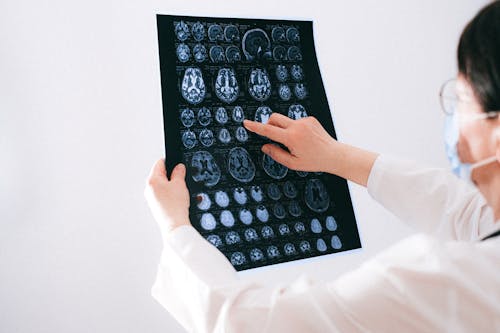
Glioblastoma treatment advocacy and funding

photo credit: Anna Shvets / Pexels

Key Takeaways

  • Glioblastoma is the most common malignant brain tumor in adults and remains one of the most difficult cancers to treat effectively.
  • Advocacy organizations help accelerate research, connect patients with resources, and increase participation in clinical trials.
  • Emerging research areas include immunotherapy, gene-based treatments, and personalized medicine approaches.
  • Consistent research funding is critical because even unsuccessful clinical trials often provide valuable data for future breakthroughs.
  • Public awareness and community involvement can help drive funding, influence policy decisions, and strengthen support networks for patients and caregivers.
Continue reading