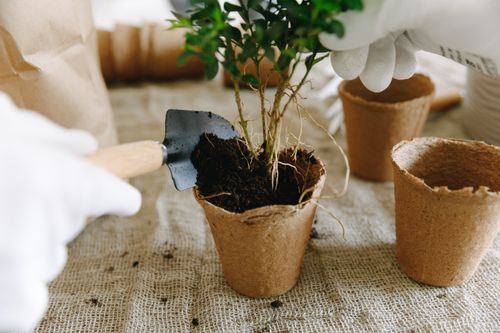
photo credit: Thirdman / Pexels
Key Takeaways
- A plant’s growing location often has a greater impact on its health than routine watering or maintenance alone.
- Sunlight exposure, shade patterns, soil quality, drainage, and moisture levels all influence plant performance.
- Selecting plants that match the conditions of a specific planting site increases their chances of long-term success.
- Proper spacing improves air circulation and reduces competition for water, nutrients, and sunlight.
- Observing plant performance over time helps gardeners make better planting decisions and improve future garden layouts.
Wioletta Malysa is a registered nurse based in Palos Hills, Illinois, who has served as a government programs care manager III with Blue Cross Blue Shield of Illinois for more than a decade. In that role, she manages members with waiver benefits, coordinates post-hospital services, and supports chronic disease management aimed at reducing hospital readmissions. She completed her nursing education at Moraine Valley Community College and has since trained in dementia care, CPR, hospice administration, triage nursing, and chart auditing. Malysa has received the Daisy Award twice, in 2008 and 2014, in recognition of her nursing work.
Outside her career, she enjoys traveling and gardening, interests that inform her attention to the everyday details behind why some plants grow better in one location than another.
A plant can grow differently in the same yard because each area provides a different mix of light, moisture, soil, drainage, and temperature. A gardener may notice these differences even with consistent watering and care. Before daily care has much effect, the location shapes what the plant receives.
Before planting, a gardener can compare the plant’s needs with the area. Instead of judging only appearance, the gardener should ask whether that location can support it. That comparison helps the gardener choose whether to plant there, improve the area, or select a better-suited plant.
Sunlight gives one of the first clues. Some plants need full sun, while others grow with part shade or lower light. Full sun means at least six to eight hours of direct sunlight each day. A plant label gives a starting point, but the gardener still has to compare it with the actual yard.
Shade adds another layer to that same light decision. Morning sun is less intense, while afternoon sun is stronger and warmer. Dappled shade means light filters through a tree canopy. A spot that looks partly shaded early may receive stronger sun later.
Water behavior also changes from one area to another. A low place may hold rainwater, while a raised or exposed area may dry quickly. Drainage means how water moves through or away from soil after watering or rainfall. A plant that dislikes wet roots may struggle where water stands or drains slowly.
Plant water needs also differ by species and growing conditions. Some plants need less water, while others prefer wetter soil. Soil type and texture affect that choice because heavy soil can hold water and drain slowly. Matching the plant to that water pattern keeps the decision tied to the site, not only to the watering routine.
Soil condition affects what roots can physically reach. Healthy soil supports roots by making nutrients, water, and air available. Loose soil provides roots with more room for air and water movement, while compacted soil can limit their access to both. A plant may stay weak if its roots cannot settle into the ground around it.
Spacing matters because plants continue to grow after the first day in the ground. A small plant may need more room as its stems, branches, or roots spread. When plants sit too close together, they compete for water, nutrients, and light. Good spacing also allows more air and light around plants, which can reduce the likelihood of moisture-related leaf problems.
Nearby features can change a planting area even when the soil and spacing look fine. Walls, buildings, overhangs, fences, and mature trees can alter shade, heat, wind, moisture, and air movement. A bed near a brick wall may warm differently from an open bed, while an overhang or tree canopy can keep soil drier.
Observation helps after the plant goes in. Wilting, yellowing, crispy or dry leaves, leaf drop, slow growth, or poor performance can point to a water or site problem. These signs give the gardener a reason to look beyond the routine of care. Checking the soil, drainage, light, and spacing may explain more than changing the watering routine.
Patterns over time provide better information than a single bad week in the garden. If plants in one area keep drying out, yellowing, dropping leaves, or growing slowly, the gardener can treat that area as a clue for the next planting season. Those observations turn the next planting choice into a practical adjustment based on what the yard has already shown.
FAQs
Why do identical plants grow differently in the same yard?
Different areas of a yard can vary significantly in sunlight, soil composition, drainage, moisture retention, wind exposure, and temperature. Even when plants receive the same level of care, these environmental differences can affect their overall health and growth.
Understanding the unique conditions of each planting location helps gardeners place plants where they are most likely to thrive.
How important is sunlight when choosing a planting location?
Sunlight is one of the most important factors influencing plant growth. Some species require six to eight hours of direct sunlight each day, while others perform better in partial shade or filtered light.
Observing how sunlight changes throughout the day allows gardeners to match plants with the conditions they need for healthy development.
How does soil drainage affect plant health?
Proper drainage prevents excess water from remaining around plant roots, which can lead to root damage or disease. Some plants prefer consistently moist soil, while others require fast-draining conditions to remain healthy.
Evaluating how water moves through the soil after rainfall or irrigation helps determine whether a planting site is suitable for a particular species.
Why is plant spacing important?
Plants continue to grow after they are placed in the garden, and adequate spacing allows them to access sunlight, nutrients, water, and airflow without excessive competition. Crowded plants may experience slower growth and are often more susceptible to moisture-related issues.
Following recommended spacing guidelines supports healthier, stronger plants over the long term.
What can gardeners learn by observing their plants over time?
Recurring symptoms such as yellow leaves, wilting, leaf drop, slow growth, or poor flowering often indicate that a planting location is not meeting a plant’s needs. Rather than immediately changing watering habits, gardeners should also evaluate sunlight, drainage, soil quality, and surrounding conditions.
Keeping track of these patterns season after season helps improve future planting decisions and creates a healthier, more resilient garden.
About Wioletta Malysa
Wioletta Malysa is a registered nurse and government programs care manager III with Blue Cross Blue Shield of Illinois, based in Palos Hills, Illinois. She earned her nursing degree from Moraine Valley Community College and has since built experience in hospice care, triage nursing, and chronic disease management. Malysa is credentialed in dementia care and CPR and has received the Daisy Award for her nursing contributions. In her free time, she enjoys gardening, traveling, and following the Chicago Bears.