PBTT Corp: Circular Manufacturing Strategies for Waste Reduction

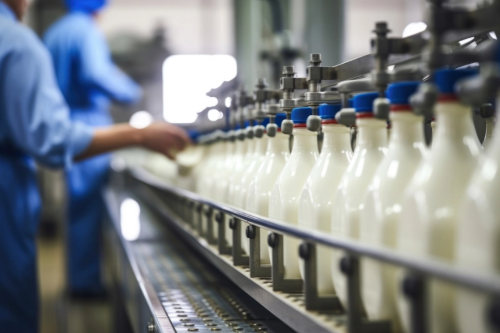
Circular manufacturing

Key Takeaways

  • Circular manufacturing replaces the traditional linear model with closed-loop systems focused on reuse, recycling, and material longevity.
  • Designing products for durability, modularity, and recyclability increases opportunities for refurbishment and reduces end-of-life waste.
  • Reclaiming scrap and reintegrating materials into production lowers costs while decreasing reliance on virgin resources.
  • Process optimization, including lean principles and material-flow tracking, improves efficiency and environmental performance simultaneously.
  • Adopting circular strategies enhances brand reputation, strengthens supply-chain resilience, and creates new revenue opportunities.
Continue reading

From Scarcity to Abundance: Business Models in the Circular Economy

The global economy has long operated under a model of scarcity—where resources are finite, consumption is linear, and waste is a byproduct of production. This model, while instrumental in driving industrial growth and development, is increasingly being challenged by the pressing issues of resource depletion, environmental degradation, and climate change. Enter the circular economy: a transformative approach that shifts the focus from scarcity to abundance by redesigning systems to keep resources in use for as long as possible, extract the maximum value from them, and regenerate natural systems.

Circular economy

This article explores the business models that are emerging within this new economic framework, offering insights into how companies can transition from traditional linear practices to circular ones.…

Continue reading

Startups and the Circular Economy

For small businesses and startups everywhere, sustainability is a hot topic. In fact, as our impact on the planet becomes ever more evident, there’s increasing calls for businesses of all sizes to step up their efforts to reduce waste and push for a more sustainable economic model. Our existing practices of “take, make, and dispose” have been called out, and today its less acceptable than ever before to simply profit with little regard for the resources used and the waste it creates.

Recycling in circular economy

But what does this mean for small businesses in reality? And how can we redesign our existing economy to be more sustainable?…

Continue reading