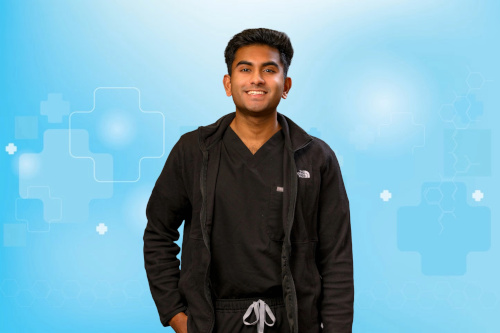
Eloah Rocha: Understanding What Sibling Support Programs in Children’s Hospitals Do

Sibling support programs

Key Takeaways

  • Sibling support programs help children understand and cope with a brother or sister’s hospitalization through structured guidance and age-appropriate communication.
  • Child life specialists play a central role by using therapeutic play, medical education, and supervised activities to reduce fear and confusion.
  • Peer group sessions allow siblings to connect with others in similar situations, helping normalize emotions and reduce isolation.
  • Programs extend beyond the hospital by supporting parents with communication strategies and encouraging routine stability at home.
  • Effective sibling support improves family dynamics by keeping siblings informed, included, and emotionally supported during long-term care situations.
Continue reading

Dr. Rene Salhab on Pediatric Asthma: What Parents Needs to Know

Pediatric asthma

photo credit: Cottonbro Studio / Pexels

Key Takeaways

  • Early detection and consistent care are essential for effectively managing pediatric asthma and improving a child’s quality of life.
  • Asthma symptoms in children can vary widely, making accurate diagnosis and ongoing monitoring crucial.
  • Treatment typically includes both quick-relief medications and long-term strategies to control inflammation.
  • Identifying and avoiding individual triggers can significantly reduce the frequency and severity of asthma attacks.
  • Education for both parents and children plays a vital role in recognizing symptoms and managing asthma confidently.
Continue reading

Dr. Jennifer Bath: Why Early Detection Matters in Neurodegenerative and Cancer Care

Early detection of disease and cancer

photo credit: Gustavo Fring / Pexels

Key Takeaways

  • Early detection significantly improves outcomes in cancer and neurodegenerative diseases because identifying conditions in their earliest stages allows for more treatment options and better long-term health prospects.
  • Screening programs and advanced diagnostics play a major role in detecting cancer early through tools such as mammography, colonoscopy, CT scans, and emerging blood-based liquid biopsy technologies.
  • Neurodegenerative diseases are harder to diagnose early since symptoms often appear only after significant brain changes have occurred, making biomarker testing and advanced imaging increasingly important.
  • Artificial intelligence is transforming early detection by analyzing large datasets from imaging, genetics, and health records to identify patterns and predict disease risk earlier than traditional methods.
Continue reading

Chad Wable: Enhancing the Effectiveness of Boards in Healthcare Systems

Healthcare governance

Key Takeaways

  • Effective healthcare boards must balance strategic direction, oversight, and executive leadership to guide system performance.
  • Diverse board composition – across skills, experience, and background – improves decision-making and responsiveness to community needs.
  • Continuous education and governance training help board members stay current with evolving healthcare, regulatory, and financial realities.
  • Stronger relationships with clinical and frontline staff build trust, transparency, and alignment around quality-of-care priorities.
  • Evidence-based governance and a culture of accountability enable boards to act proactively rather than reactively in complex environments.
Continue reading

Chad Wable: Understanding Health Plan Gaps In Practical Use

Health plan gap

Key Takeaways

  • Most employees struggle to understand key health plan concepts, creating a gap between coverage and real-world use.
  • Complex plan designs – such as tiered drug lists, deductibles, and narrow networks – often remain difficult to apply in everyday care decisions.
  • Limited year-round communication leaves employees without ongoing guidance, reducing plan utilization and increasing costly care choices.
  • Mismatches between how employees seek care and how plans classify services create confusion, unpredictable bills, and unnecessary spending.
  • Simplified plan design, clearer communication, and usability-focused metrics help employers close the gap and improve benefit experiences.
Continue reading

Rick Tsakalios: A Few Notable Health and Wellness Trends for 2025 and Beyond

Workplace wellness

Key Takeaways

  • Health and wellness is a $2 trillion global industry, with rising interest among Gen Z and millennials.
  • Functional nutrition is expanding, with products supporting gut health, energy, and preventative wellness.
  • Beauty and wellness overlap, with ingestible products like collagen gummies gaining popularity.
  • Longevity products and healthy aging solutions are a top priority for many American consumers.
  • Wellness travel and weight management continue to grow as key industry trends in 2025 and beyond.
Continue reading

Getting Started with 5K Runs with Sreenithi Sudhakar

Half marathon

Key Takeaways

  • Sreenithi Sudhakar brings clinical expertise and fitness knowledge to beginner 5K runners.
  • Average 5K times vary by age, gender, and fitness level—finishing is the key goal for beginners.
  • Build endurance gradually; increase mileage and intensity slowly to avoid injury.
  • Strength training boosts form, reduces fatigue, and helps prevent overuse injuries.
  • Proper nutrition, hydration, and sleep significantly impact performance and recovery.
  • Tracking progress helps refine your routine and spot patterns that support improvement.

Sreenithi Sudhakar is a UK-based healthcare professional celebrated for her mastery of clinical coding and her hands-on work supporting patients through recovery. Trained intensively from 2022 – 2024, she translates complex medical documentation into precise, universally accepted codes while championing patient well-being in orthopedic and long-term-care settings.…

Continue reading

AI Innovations in Cardiovascular Medicine with Dr. Sanjiv Narayan

Dr. Sanjiv M. Narayan, MD, PhD, is a leading cardiologist and professor at Stanford University with extensive expertise in treating complex heart rhythm disorders. He is known for pioneering work that merges bioengineering with traditional medicine to create next-generation rhythm disorder treatments.

Da Vinci Surgical System AI

photo credit: Nimur / Wikimedia Commons. CC BY-SA 3.0

Dr. Narayan’s groundbreaking research in artificial intelligence (AI) and electrophysiology has influenced the development of innovative technologies, including AI-guided atrial fibrillation mapping systems now used by companies like Cortex Inc (formerly Ablacon). As co-Director of the Stanford Arrhythmia Center and Director of the NIH-funded T32 Program in Computational Medicine in the Heart, Dr.…

Continue reading

Understanding the Role of Networking Firms in Healthcare

The healthcare sector operates as an intricate web of interrelated entities, including organizations, practitioners, and services collaborating to deliver top-notch patient care. Within this dynamic ecosystem, networking firms facilitate effective communication, collaboration, and knowledge exchange among diverse stakeholders.

Healthcare networking

These specialized companies excel at constructing and overseeing networks that establish vital links between hospitals, clinics, research institutions, insurance providers, and other associated entities. By cultivating these connections through their expertise in network management strategies, networking firms empower healthcare organizations with a deeper comprehension of the challenges within the industry while also enabling them to uncover innovative solutions.

Analyzing the Impact of Networking Firms on Patient Care

Networked organizations play a pivotal role in enhancing the quality of healthcare services by efficiently managing and leveraging innovation opportunities.…

Continue reading

How Healthcare Impacts The Employer’s Bottom Line

Lactation benefits for employees are often underutilized, overlooked, and forgotten.

By focusing on this coverage, employers can help change their work environment to benefit new parents and create a better culture of health, family, and productivity.

Lactation healthcare support for new parents

Studies show that nearly 83% of millennials would change jobs for better family benefits. By offering better benefits, you are more likely to attract a higher caliber of workers and have a more welcoming work environment.

What is Lactation Healthcare?

Lactation healthcare covers a variety of resources and tools to help new parents with their breastfeeding goals. This healthcare covers consultations with International Board Certified Lactation Consultants (IBCLCs) and helps pay for breast pumps.…

Continue reading