Key Takeaways
- Jean-Pierre Conte emphasizes that people – not capital – create the enduring competitive advantage in private equity.
- With over half of employees seeking new roles in 2025, organizations face aggressive retention and hiring challenges.
- Conte’s approach integrates mentorship, skills-based hiring, and structured development programs for underserved talent.
- Skills-based hiring surged industry-wide, with participating companies reporting fewer hiring mistakes and stronger performance.
- Organizations that invest in employee engagement, upskilling, and mentorship see significant gains in retention and productivity.
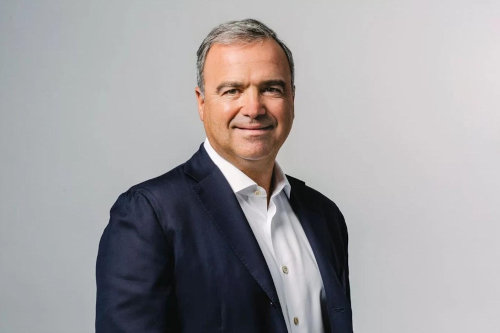
Jean-Pierre Conte built his career understanding a fundamental truth about private equity: capital matters less than the people who deploy it. As managing partner of his family office Lupine Crest Capital and a veteran leader who previously guided a San Francisco-based private equity firm through decades of expansion, he has consistently prioritized talent development as the primary competitive advantage. His approach offers particular relevance as organizations face what 49% of hiring managers describe as the most difficult talent market they have encountered.
The statistics paint a challenging picture for 2025. More than 51% of employees actively seek new opportunities, while 56% of workers plan to change jobs this year, with 80% expressing confidence they will succeed. Organizations that fail to differentiate their talent strategies will watch their best people walk out the door – taking institutional knowledge, client relationships, and competitive advantages with them.
Jean-Pierre Conte’s talent philosophy stems from personal experience rather than management theory. “I grew up in a modest household that had big dreams and big aspirations, but we didn’t have a lot of resources,” he shares. “What we did have was a lot of love and good family, good connections, and people who helped me along the way.” His father’s work as a tailor and clothing salesman to Wall Street professionals provided access to mentors who offered internships and guidance. “They gave me internships, mentoring, good advice, and it really helped close the information gap, which exists when your parents don’t go to college or aren’t on that track,” he explains.
This early experience shaped his conviction that organizations succeed by investing deeply in people – particularly those without traditional advantages. Rather than viewing talent development as corporate social responsibility separate from business objectives, Jean-Pierre Conte treats it as a fundamental strategy. His approach demonstrates that attracting and retaining exceptional people requires more than competitive compensation packages. It demands genuine commitment to their growth, clear pathways for advancement, and recognition that developing talent creates sustainable competitive advantages no competitor can easily replicate.
Building Systematic Talent Development
Jean-Pierre Conte’s talent strategy extends beyond recruitment to encompass comprehensive development systems. His previous firm established internship programs specifically targeting students from underserved communities, partnering with organizations like Sponsors for Educational Opportunity and 10,000 Degrees. “These are kids who, voluntarily in eighth grade, agree to go into this program and do after-school work, work on Saturdays, work during the summer, and extra tutoring to supplement their public school education,” he notes. “Plus, they agreed to mentoring to get them to go to college.”
This commitment required more than financial contributions. “Every year, I go to New York and give a presentation about private equity, the industry, and how these students can get into this sector,” Jean-Pierre Conte says. The firm opened internship positions to program participants, providing direct exposure to careers many had never considered accessible. This approach addresses what research identifies as critical: 69% of leaders view skills such as leadership and technical expertise as essential for organizational success, yet traditional hiring methods often overlook candidates who possess these capabilities without conventional credentials.
The shift toward skills-based hiring has accelerated, with 81% of organizations implementing such programs in 2024, up from 56% in 2022. Companies adopting this approach report 90% fewer hiring mistakes, and 94% find their skills-based hires outperform those selected through traditional qualifications. Jean-Pierre Conte’s emphasis on identifying potential rather than pedigree gave him advantages in talent acquisition well before these practices became widespread industry standards.
His involvement extended to operational transformation within nonprofit partners. When leadership challenges emerged at Sponsors for Educational Opportunity, his decisive intervention led to new executive appointments. “We multiplied the reach of SEO in the Bay Area by five to seven times,” he states. This hands-on approach demonstrates that effective talent strategy requires active engagement rather than passive philanthropy.
The broader labor market validates this intensive approach. Organizations investing in comprehensive engagement programs experience 87% reduction in turnover rates, while companies prioritizing upskilling see employees 47% less likely to actively seek new positions. Jean-Pierre Conte understood these dynamics before they appeared in workforce studies, building talent systems that created mutual benefit – students gained access to opportunities, while organizations developed pipelines of motivated, loyal employees who understood the value of investment in their development.
The Mentorship Imperative
Jean-Pierre Conte’s talent approach centers on mentorship as the mechanism for developing and retaining exceptional people. His philosophy emphasizes consistency over credentials: “There isn’t a single skill that’s going to make you successful in your career. It’s showing up and executing, even when it is hard,” coupled with genuine enthusiasm for the work. This focus on persistence and passion over singular qualifications shapes his broader hiring philosophy – identifying individuals with drive and commitment rather than perfect résumés.
The mentorship model addresses what 90% of business leaders now prioritize: employee engagement, retention, and professional development in 2025. Employees who picture themselves staying 2.5 years longer at organizations when their leaders demonstrate empathy, validating Jean-Pierre Conte’s relationship-driven approach. His satisfaction from “watching a young person develop and thrive” often surpasses the reward of closing major deals – an unusual perspective in private equity, where transactions typically command primary focus.
Current market conditions intensify the importance of these strategies. With 67% of talent acquisition professionals anticipating increased AI usage in recruiting, organizations risk losing the human connection that differentiates exceptional talent programs from transactional hiring. Jean-Pierre Conte’s model demonstrates that technology should augment rather than replace relationship-building.
His sector-focused investment approach – healthcare, financial services, software, and industrial technology – created additional advantages for talent development. Deep expertise in specific industries allowed him to offer genuine career guidance rather than generic mentorship. Professionals joining organizations with clear sectoral focus understand the knowledge they will develop and the networks they will access, reducing the uncertainty that drives early-career turnover.
The evidence supporting this integrated approach continues mounting. Organizations known for retaining employees attract top-tier talent, strengthening competitive advantage. Companies offering upskilling opportunities see 94% higher retention rates. LinkedIn’s Workplace Learning Report confirms that 83% of organizations will maintain or increase investment in career-driven learning.
Jean-Pierre Conte’s decades-long commitment to systematic talent development demonstrates that attracting great people requires viewing them as long-term investments rather than short-term resources. His approach – combining rigorous skills assessment, intensive mentorship, clear advancement pathways, and genuine commitment to individual success – creates the sustainable competitive advantages that matter most when markets shift and opportunities evolve. Organizations adopting similar frameworks position themselves to thrive regardless of broader labor market volatility.
Keep Reading: Jean-Pierre Conte’s First-Generation Student Strategy: Unlocking $700 Billion Economic Impact
FAQs
1. What drives Jean-Pierre Conte’s talent philosophy?
His upbringing and early access to mentors shaped his belief that investing in people – especially those without advantages – creates long-term success.
2. Why is talent retention so difficult in 2025?
Over 50% of workers are actively job hunting, and organizations must differentiate their talent strategies to retain top performers.
3. How does skills-based hiring fit into Conte’s model?
He prioritizes potential over pedigree, aligning with the industry shift toward skills-based evaluation that improves hiring outcomes.
4. What role does mentorship play in his strategy?
Mentorship is the core mechanism for developing talent, building loyalty, and ensuring long-term career growth.
5. How do companies benefit from structured talent development?
Organizations investing in upskilling and engagement see dramatically lower turnover and stronger employee performance.